From Assessment to Client-Ready Report
Turning structured technology reviews into polished deliverables
- 66
- Assessment areas
- 4
- Technology domains
- 0
- Report post-production
The problem
Technology consultants and MSPs regularly assess client environments.
The valuable part of that work is the consultant's judgment: identifying weaknesses, documenting findings, deciding what matters, and recommending what should happen next.
But turning that assessment into something a client can actually understand creates a second layer of work.
Notes need to be organised. Scores need to be calculated. Priorities need to be surfaced. Findings need to be formatted. And finally, all of it needs to become a professional document that can be presented to a client.
Repeat that across multiple clients and a technical assessment starts creating an administrative workflow of its own.
The problem wasn't the assessment itself.
It was everything required to turn the assessment into a consistent deliverable.
What we built
We built LineaScore around the way the assessment is actually performed.
Instead of collecting findings in one system and creating the final report somewhere else, the assessor works through a structured framework directly inside the platform.
The standard assessment covers 66 areas across four technology domains, with a consistent scoring model for each area.
As the assessor works, the platform captures:
- Scores and assessment status
- Individual findings
- Recommendations
- Strengths and priority areas
- Overall and domain-level results
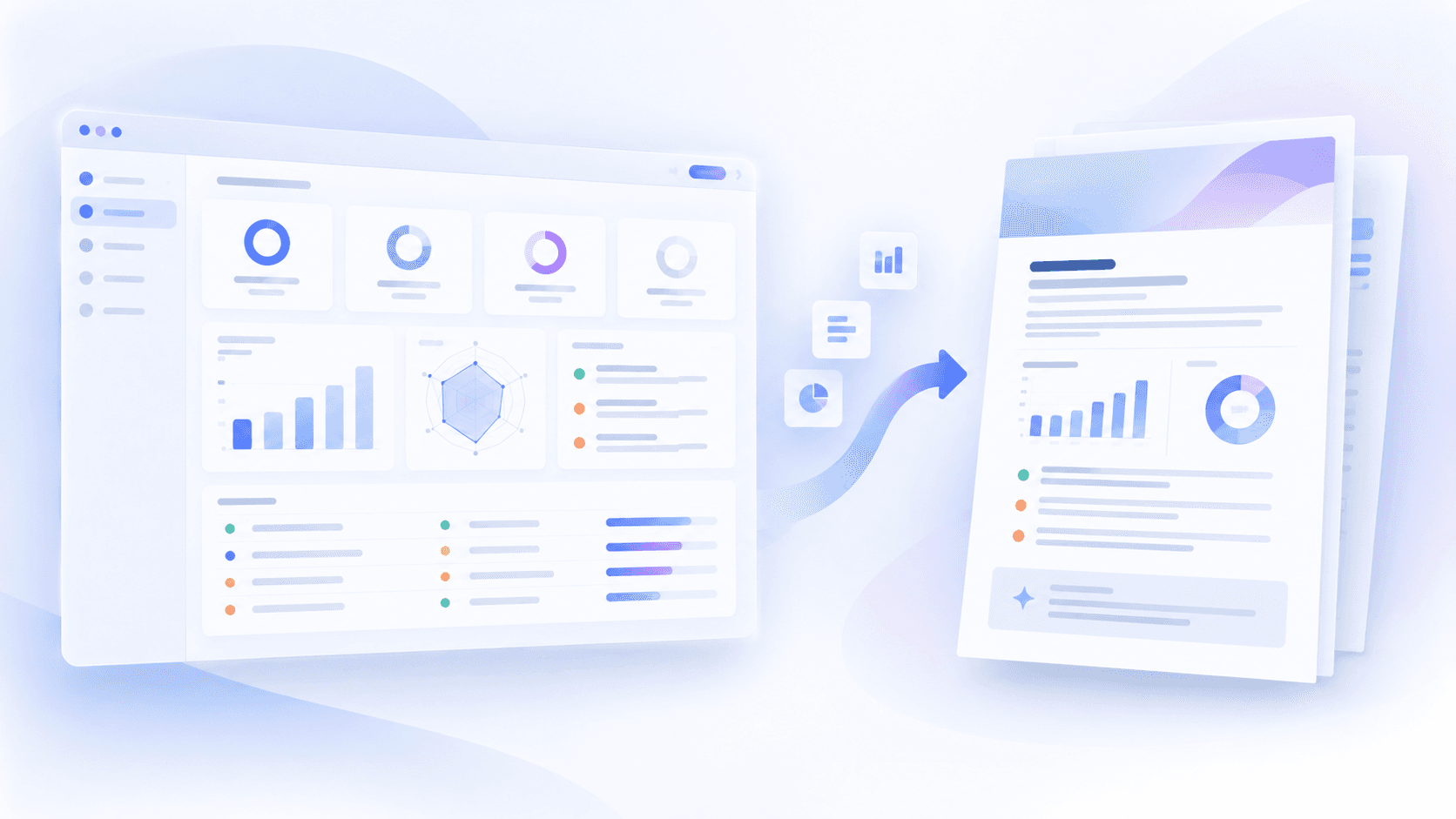
Those inputs feed directly into a custom report-generation engine.
When the assessment is complete, LineaScore automatically turns the same data into a branded, client-ready report containing the overall result, domain scores, strengths, priorities, findings, and recommendations.
There is no second reporting workflow.
The report is simply another output of the assessment.
We also designed the platform to support repeated assessments, client history, cloud synchronisation, and offline use so it could fit into the environment where consultants actually work.
The outcome
- Assessors capture information once instead of rebuilding it later for reporting
- Every client can be evaluated using the same scoring framework
- Findings and recommendations automatically flow into the final deliverable
- Branded reports are generated without manual document formatting
- Previous assessments remain available for comparison over time
- Consultants can focus the client conversation on priorities and recommendations instead of preparing slides and documents
- The same workflow works across a portfolio instead of becoming harder to manage with every new client
The software didn't try to replace the consultant's judgment.
It removed the operational work surrounding that judgment.
The expert should spend their time deciding what matters — not formatting the document that explains it.
Got a bottleneck that looks like this?
Book a strategy call and we'll tell you honestly whether it's worth automating.
Book a Strategy Call